
100 things a visitor to the 2026 DJCAD degree show should know...
(After Michael Sorkin’s “250 things an architect should know”)
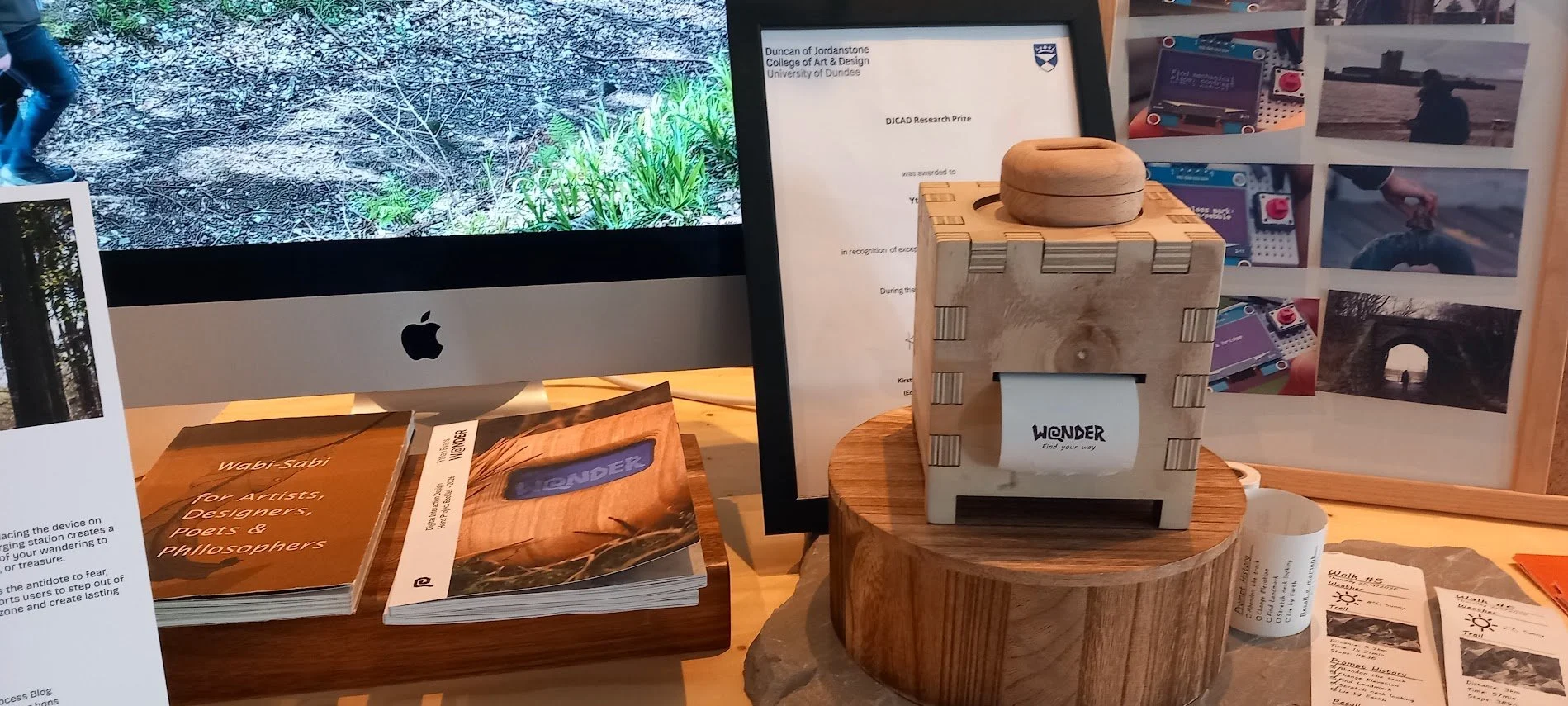
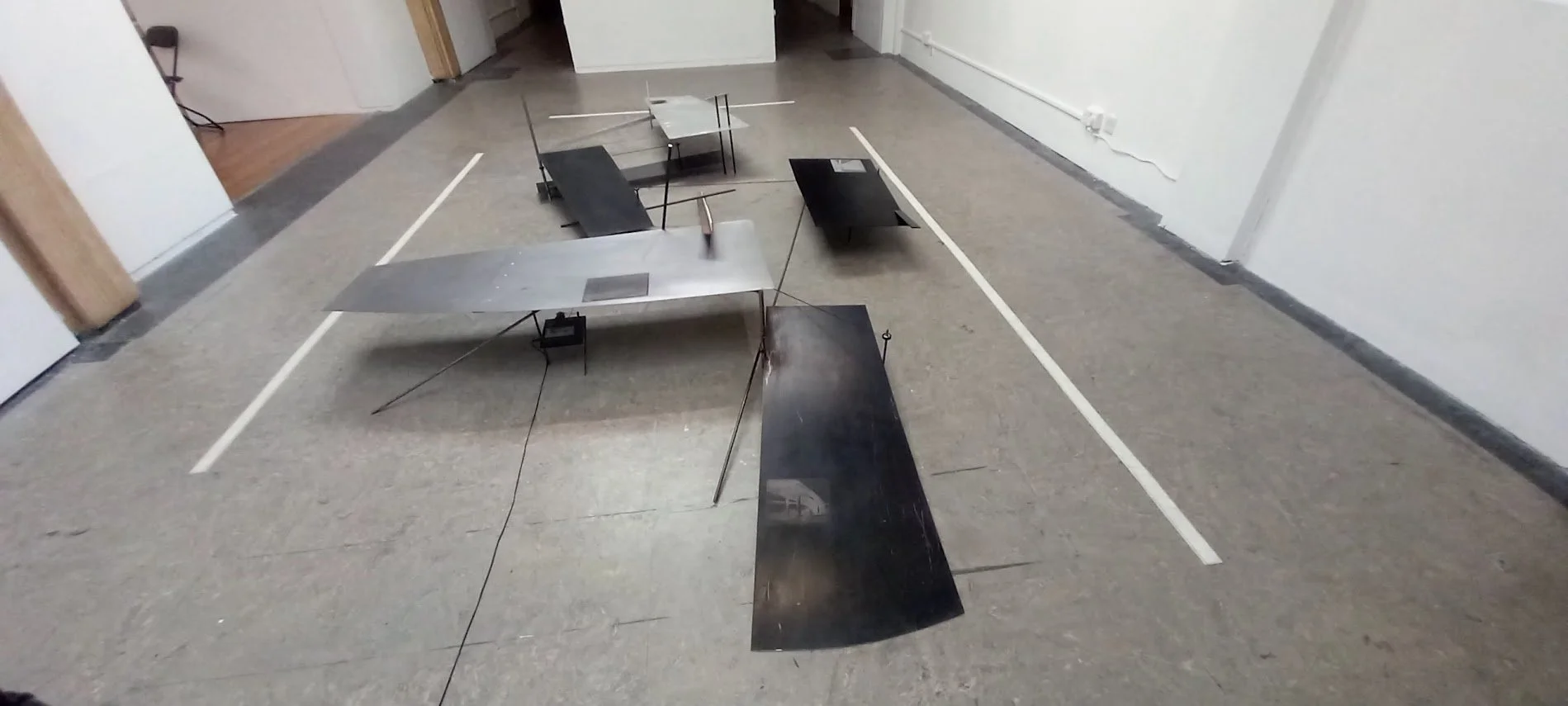
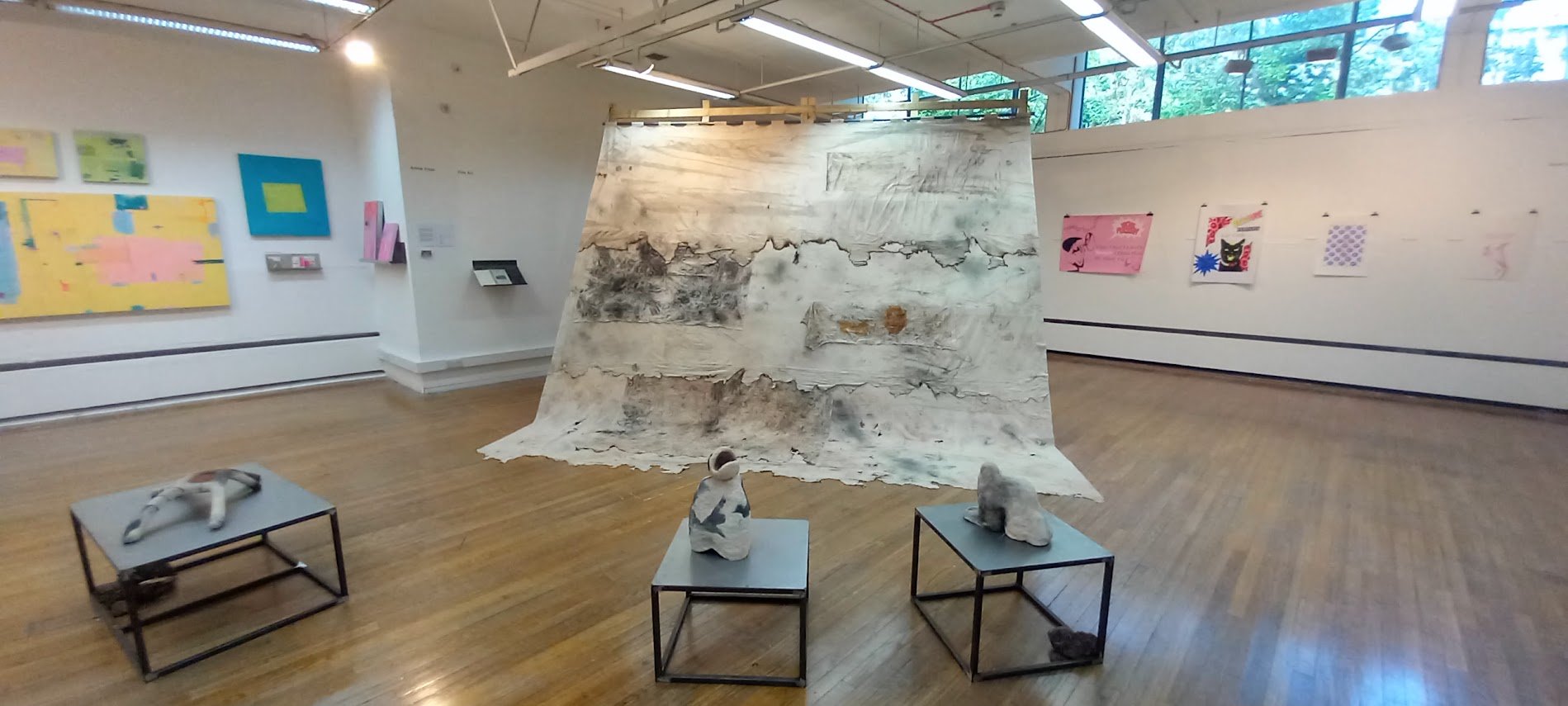
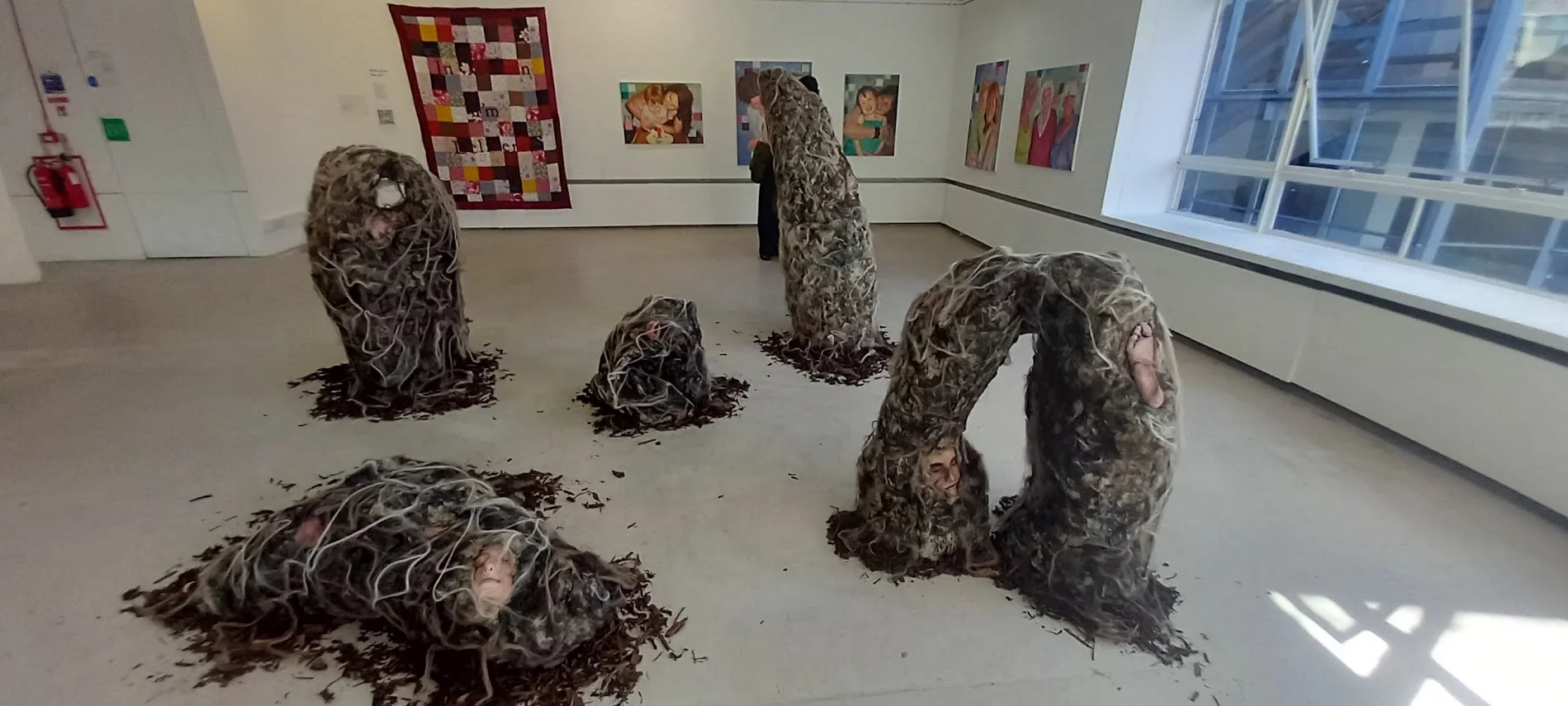
1. how to wander
2. how to wonder
3. how not to be afraid to speak to artists
4. how not to be afraid of ideas and concepts
5. how to ask questions
6. how to read attentively
7. and look closely
8. how to embrace colour
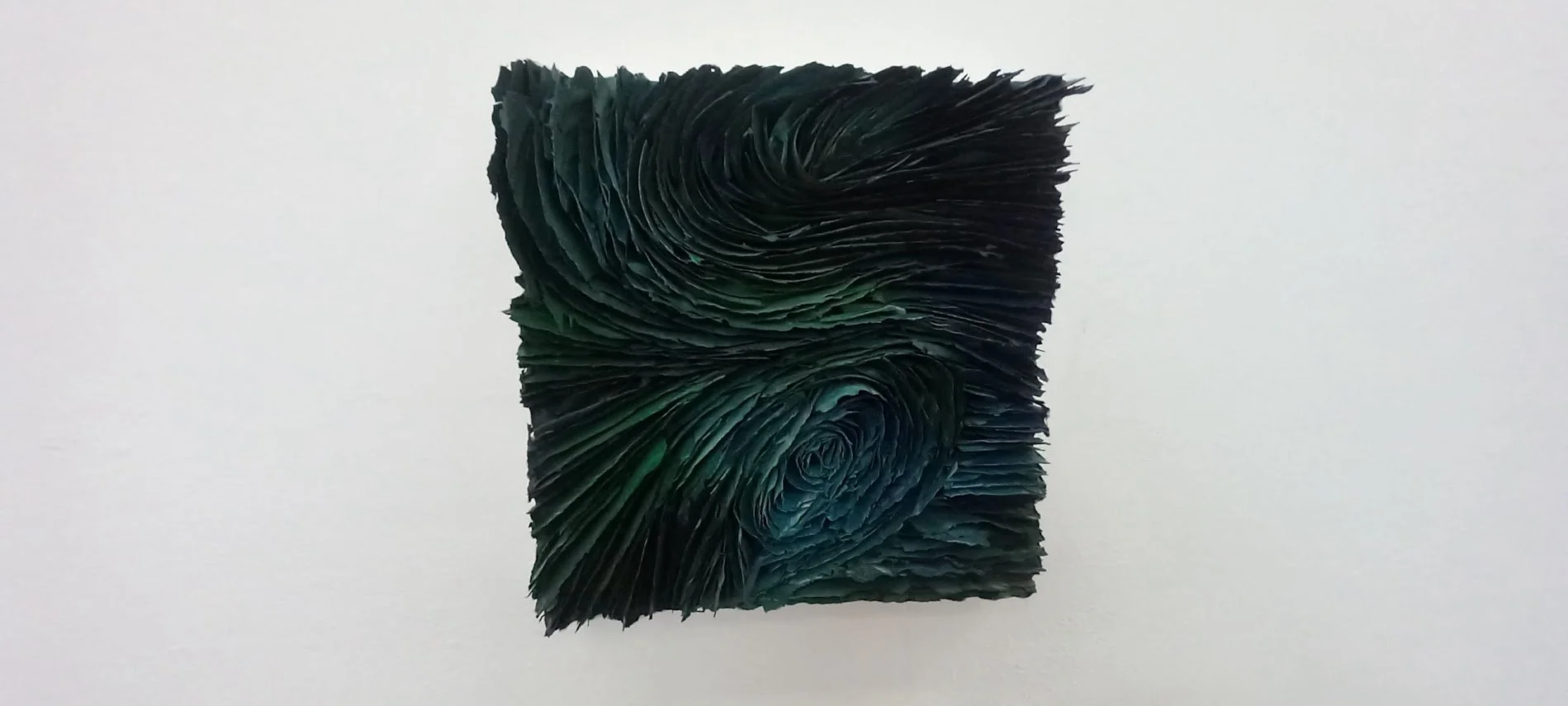
9. or texture
10. or the delicacy of form
11. how to feel the grain of memory
12. and the different forms they take
13. how to enjoy the synesthetic
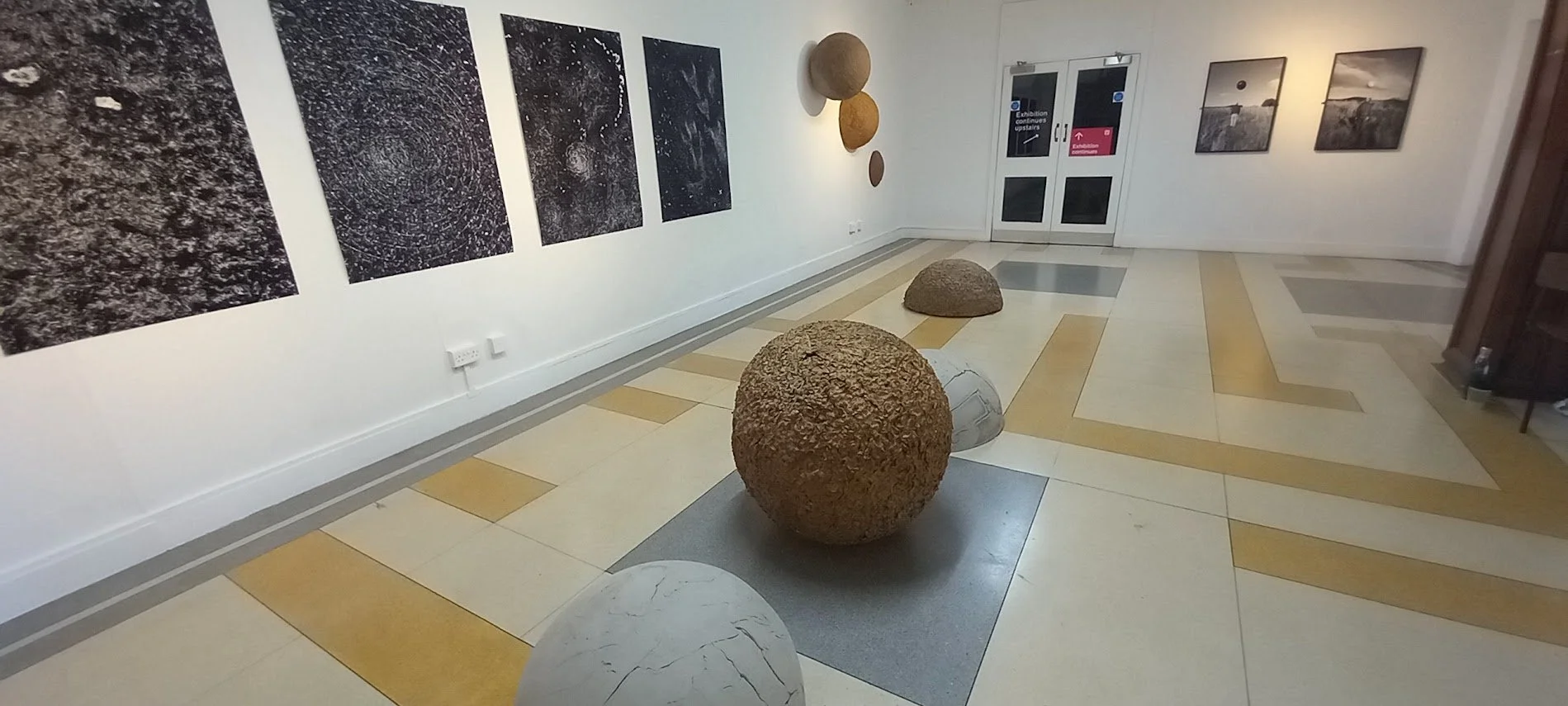
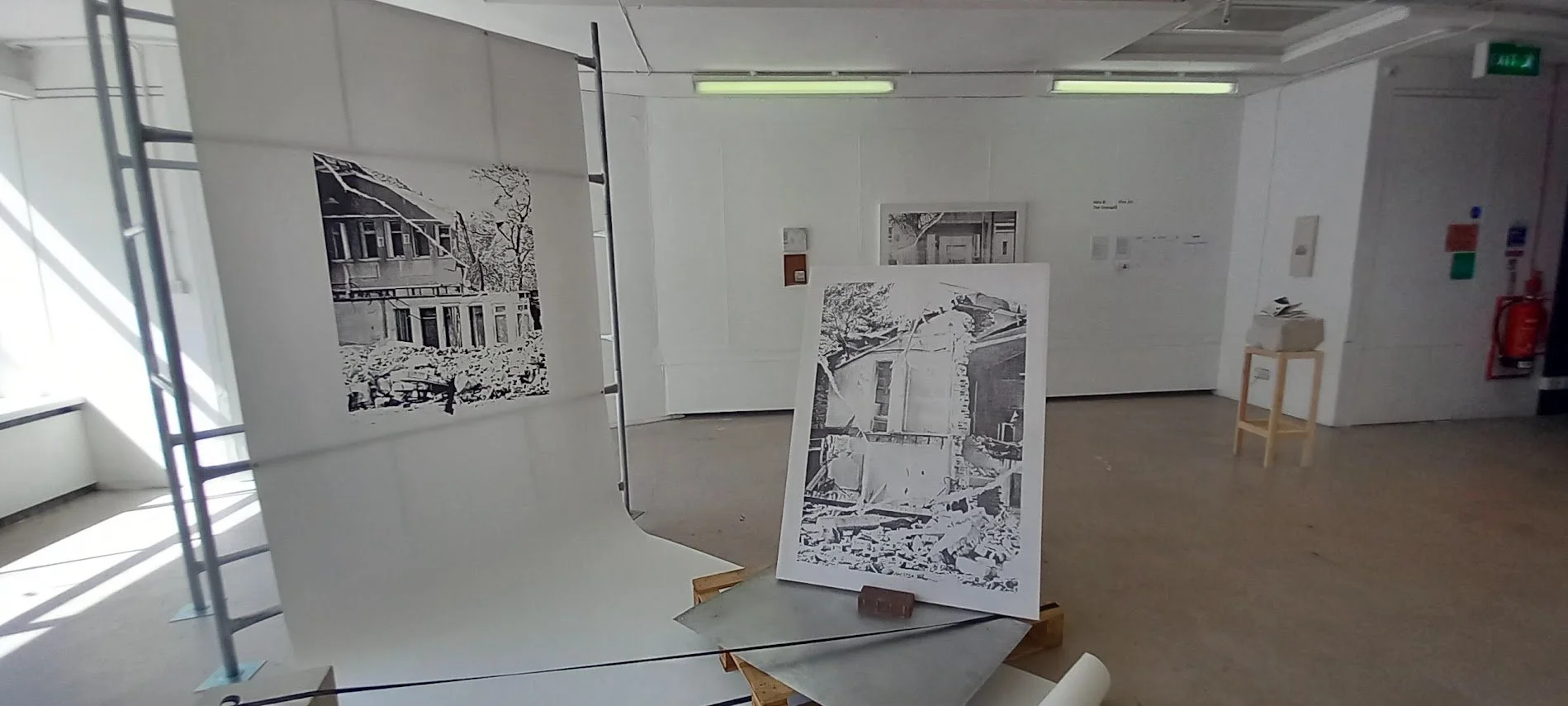
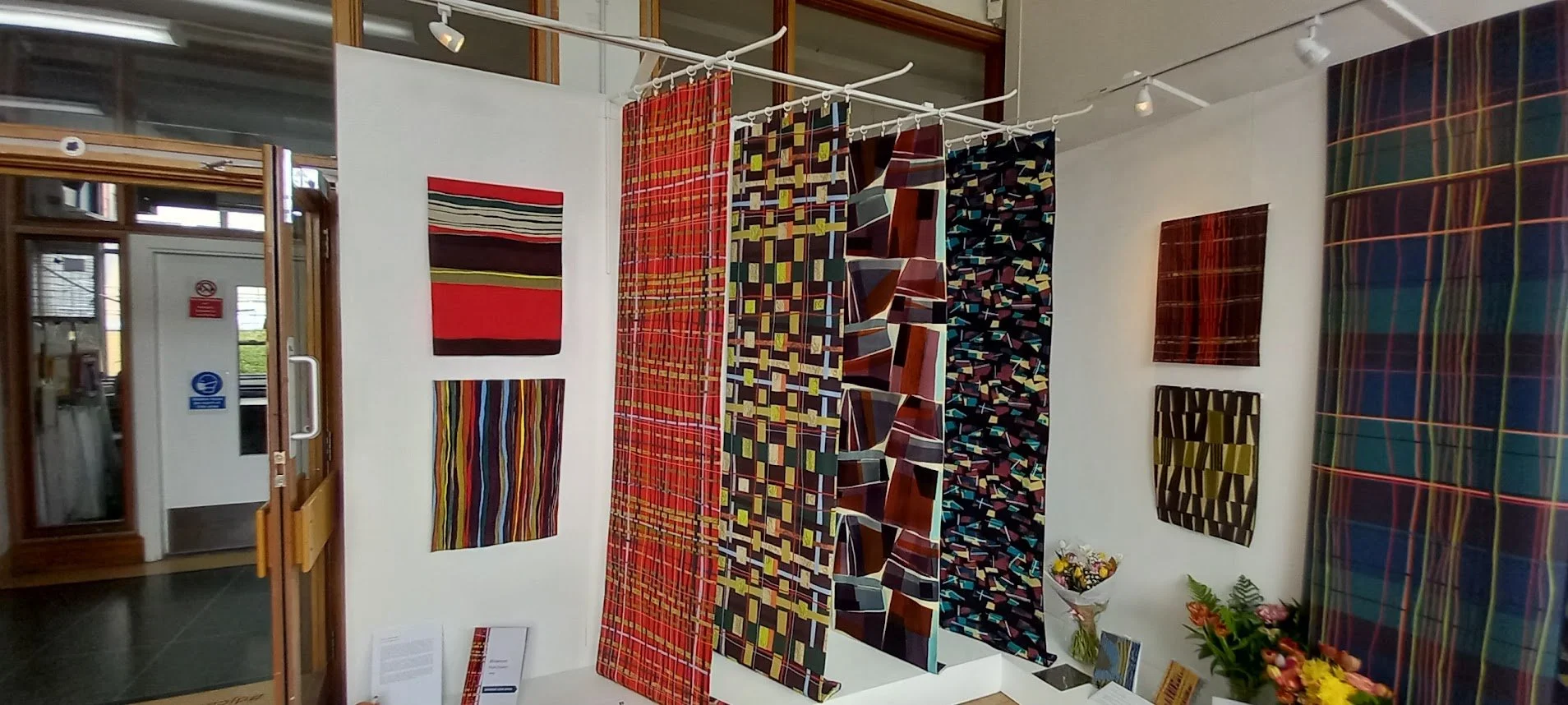
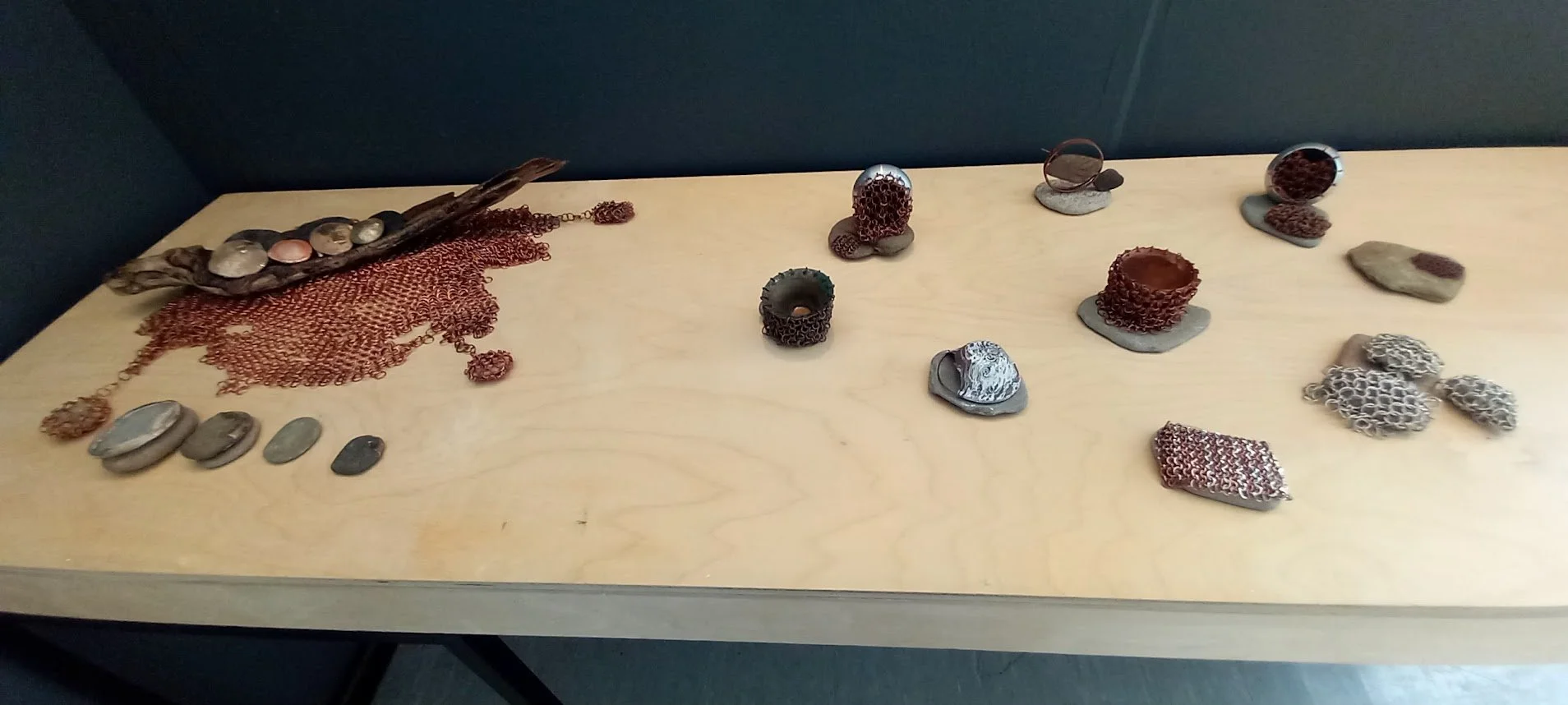
14. how to open doors
15. how to be open to ideas
16. how to be challenged by what you see
17. how to reflect on what art is for
18. or how art speaks to you
19. how not to be afraid of touching art when invited to
20. how to listen
21. how to make associations between different parts of the display
22. how to not to just see with your eyes
23. how to puzzle when you don’t get what you are seeing
24. how to embrace glitches
25. how to embrace fades
26. how to see beyond the surface
27. beauty is in the eye of the beholder
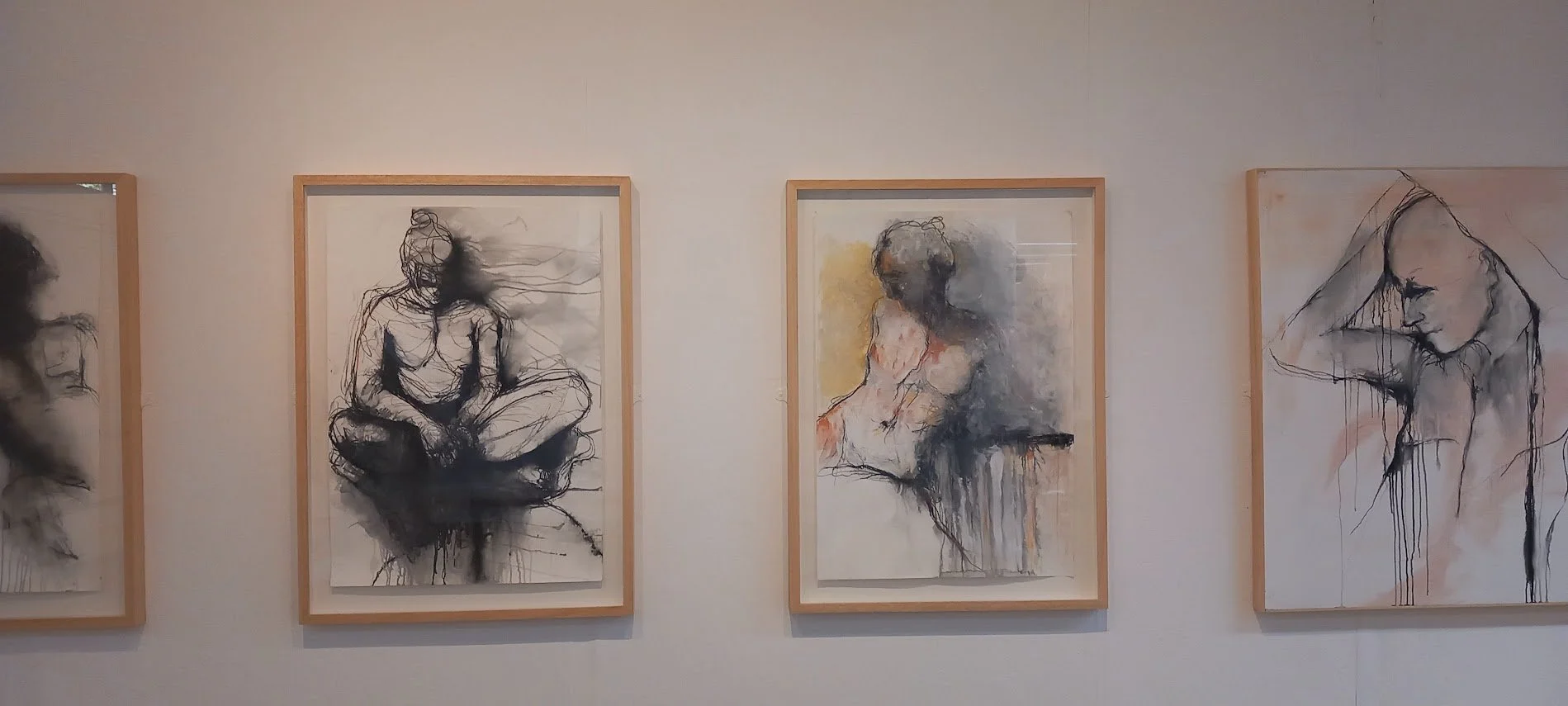
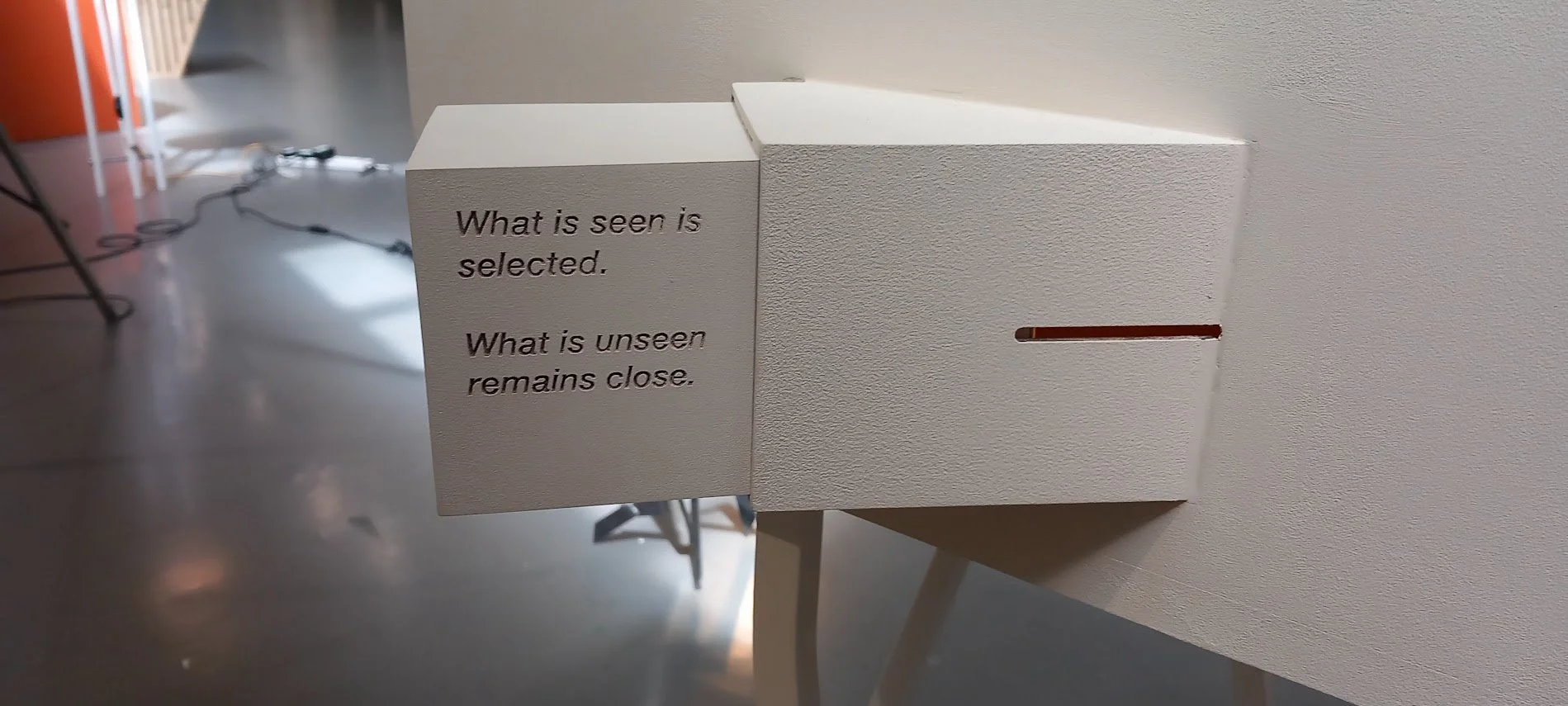
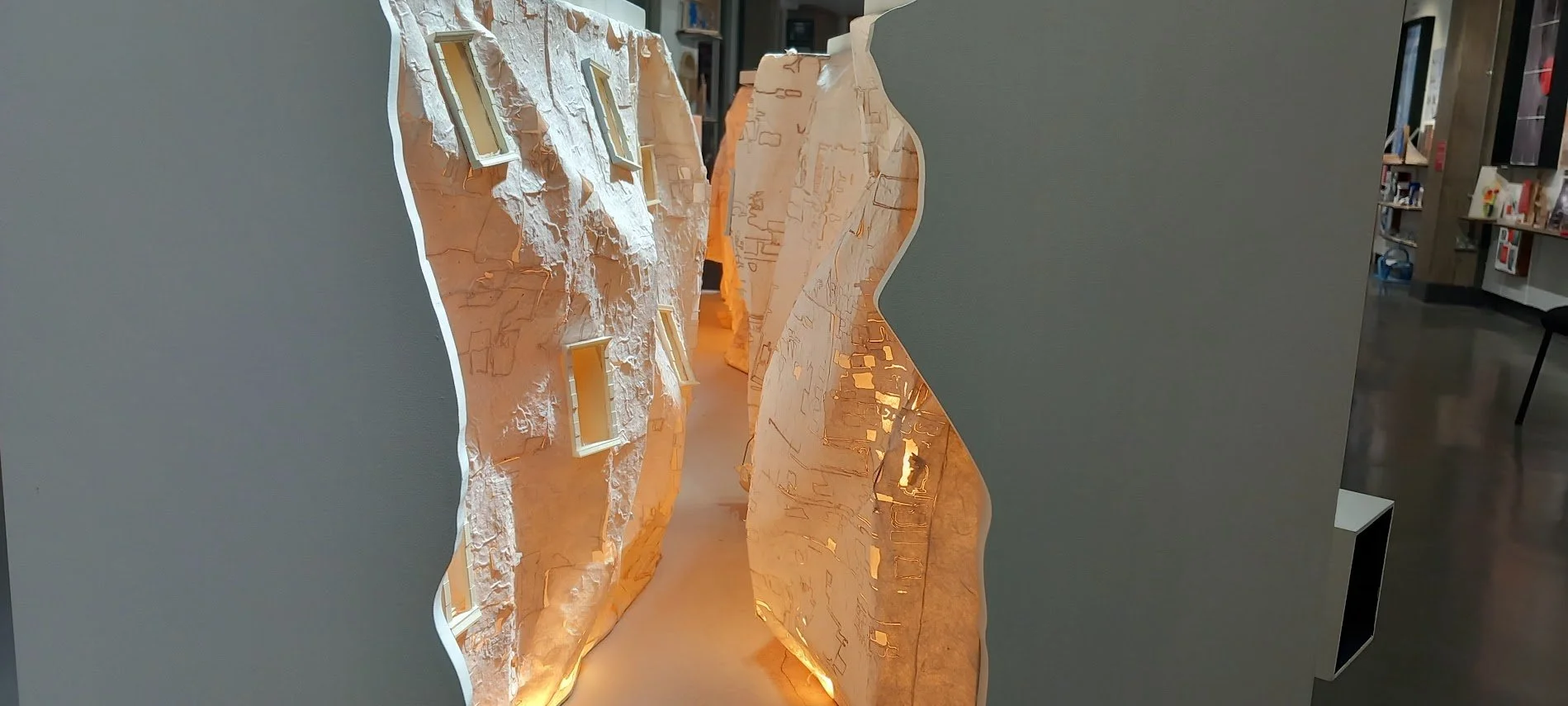
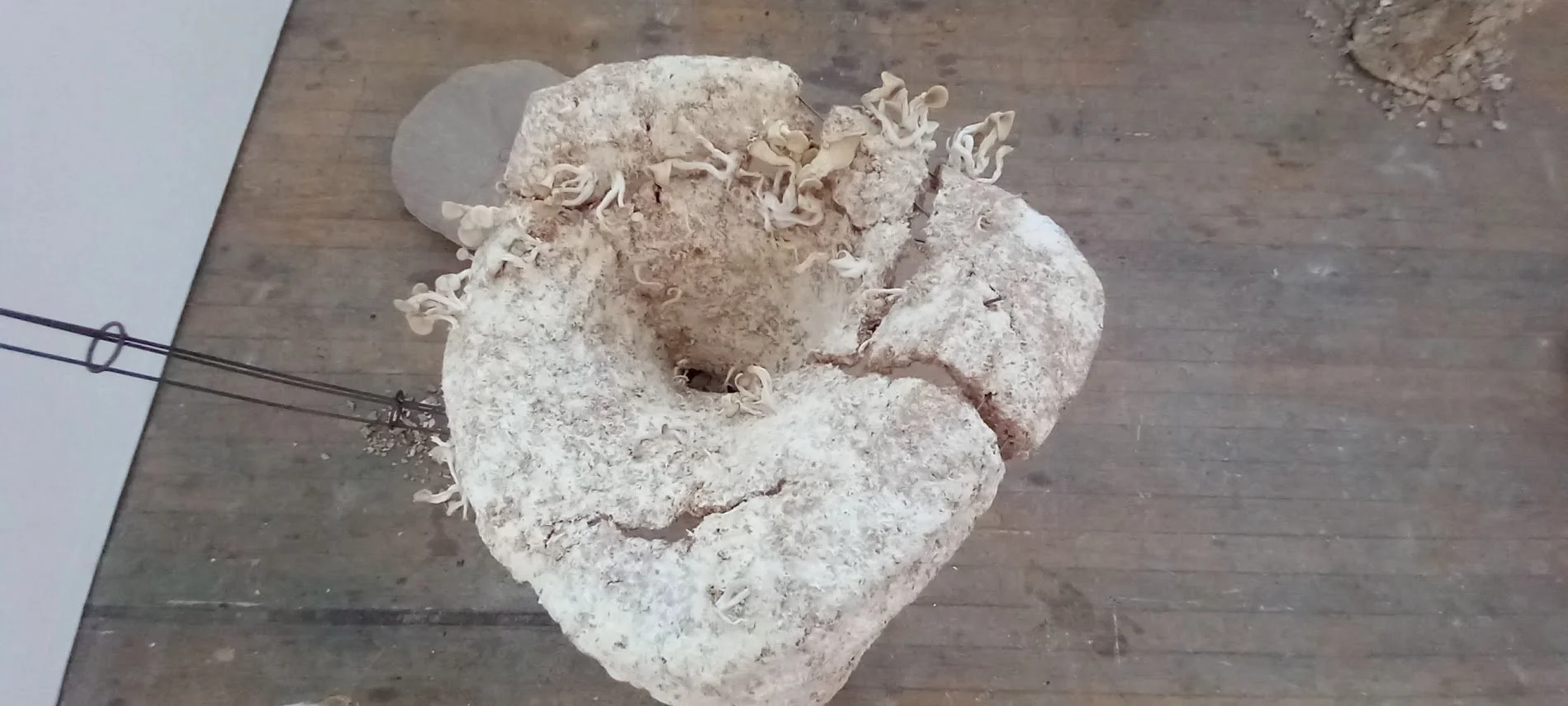
28. we all have our interpretations, including that of the artist
29. how to dream standing still in a room
30. how to be open to the pleasure of small things
31. how to hold onto small epiphanies
32. how to be alive to how art is made
33. and realise that art is precious
34. how to cherish the manifold expressions of ideas and emotions
35. how to pause
36. how not to observe clock time till the gallery closes
37. how to sit on a step for a moment
38. or enjoy the light on the river Tay through the windows of the Crawford Building
39. how to puzzle over body and mind as different parts of the same jigsaw.
40. how to not to be fazed by terms that aren’t always self-explanatory (‘heterotopia’, ‘deep time’, ‘the flâneur’ ….)
41. how to look them up
42. how to be open to the magic of the miniature
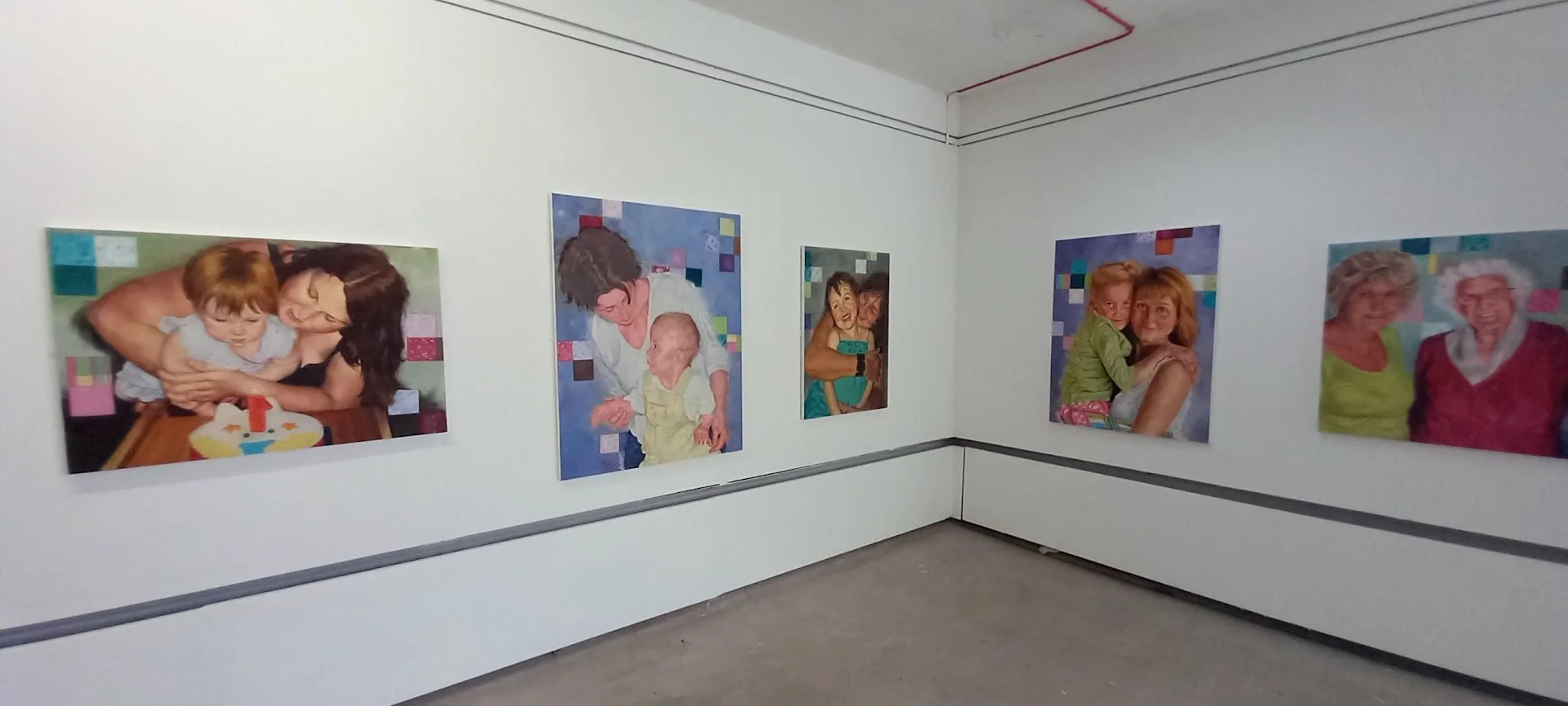
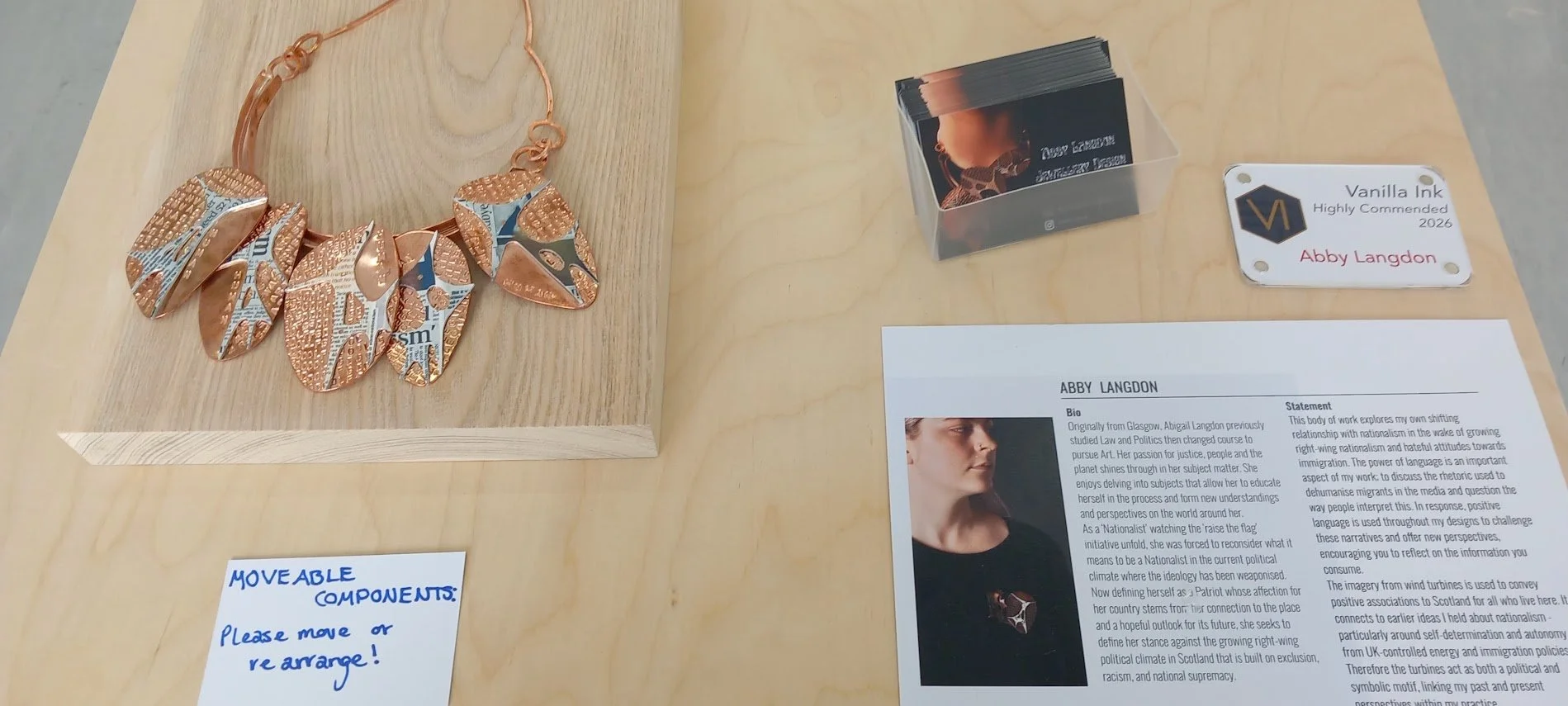
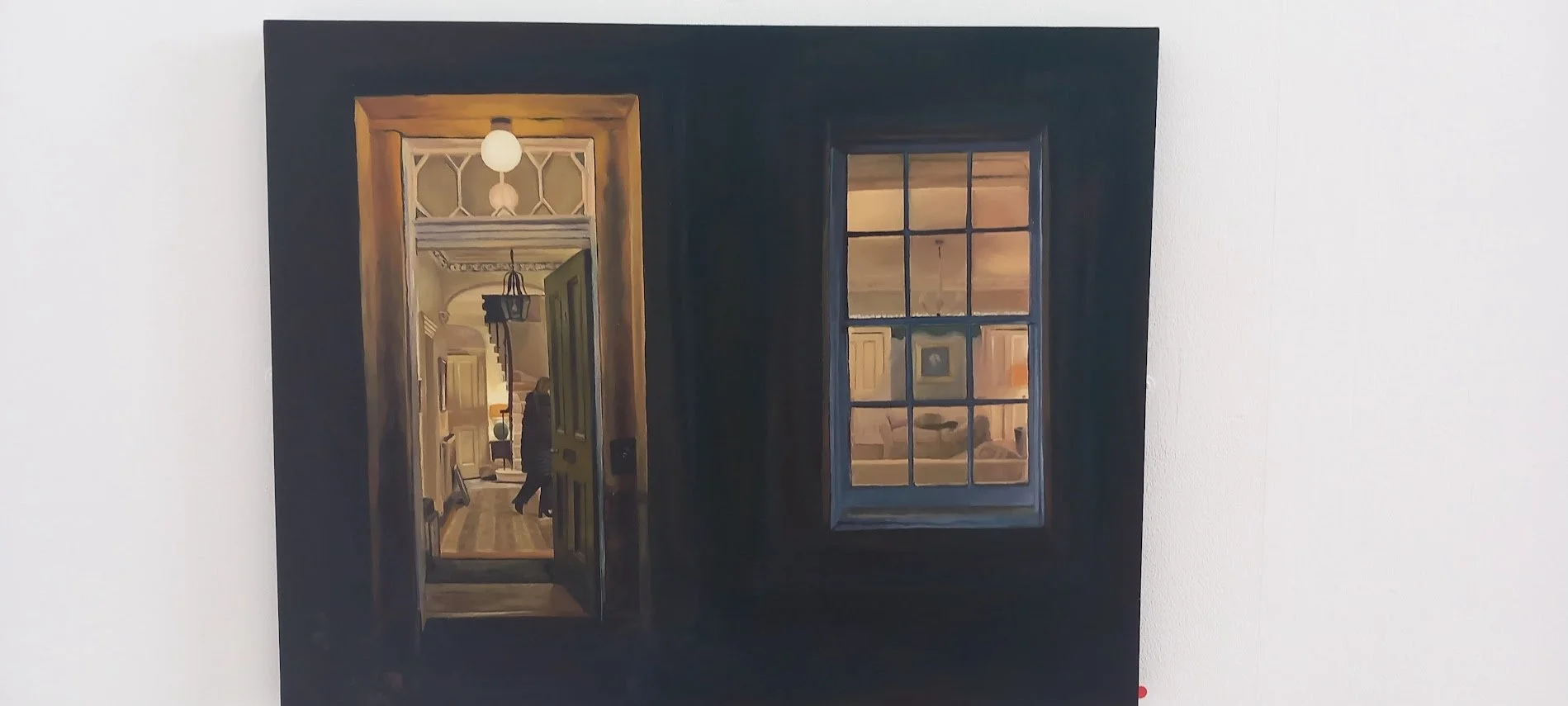
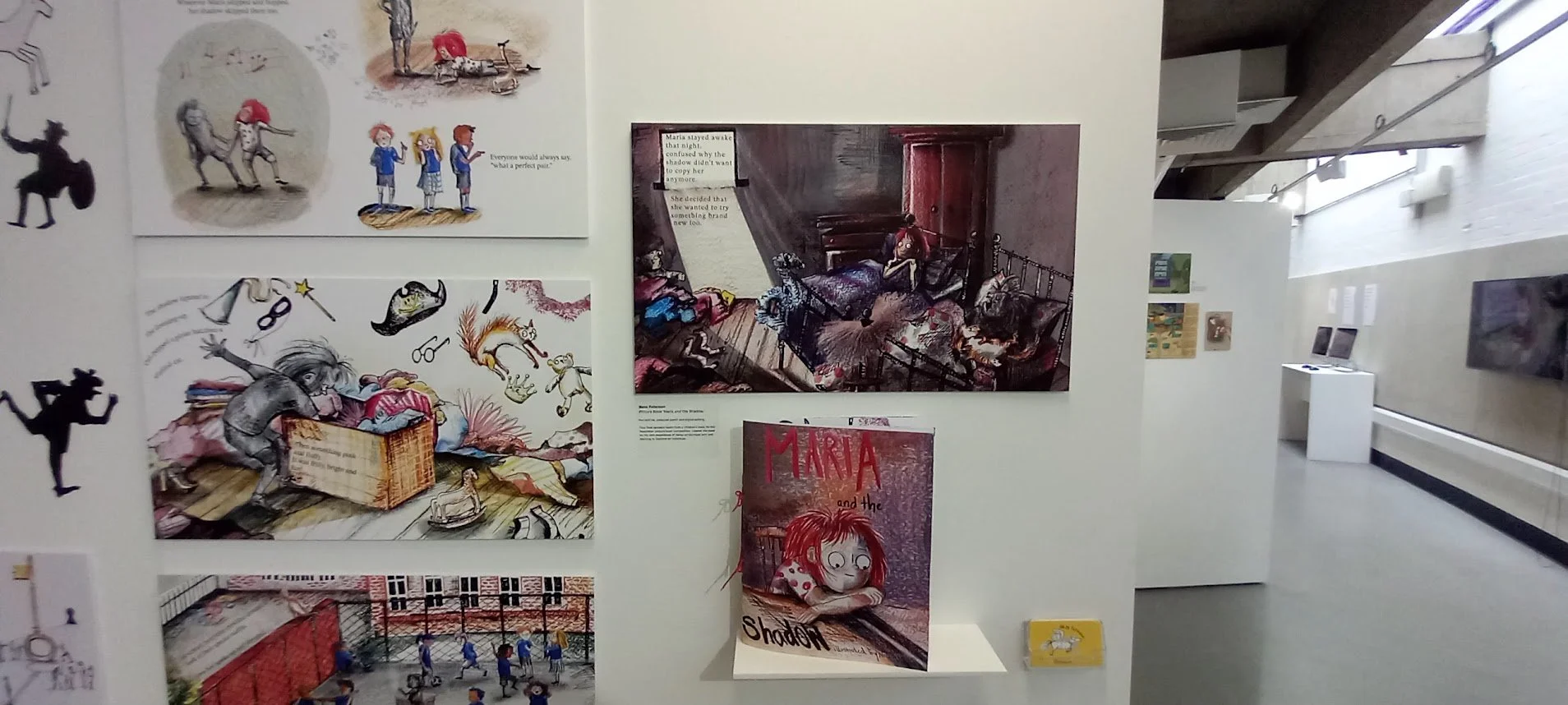
43. how to embrace the child in you
44. how to find the ordinary quite extraordinary
45. how to enjoy abstraction
46. to enjoy art as mark making
47. or following a line
48. how not to be put off by a lack of answers
49. but embrace a multitude of possibilities as becomings
50. how to imagine places far away from that of the gallery
51. how to think about the human and the non-human
52. how to enjoy storytelling
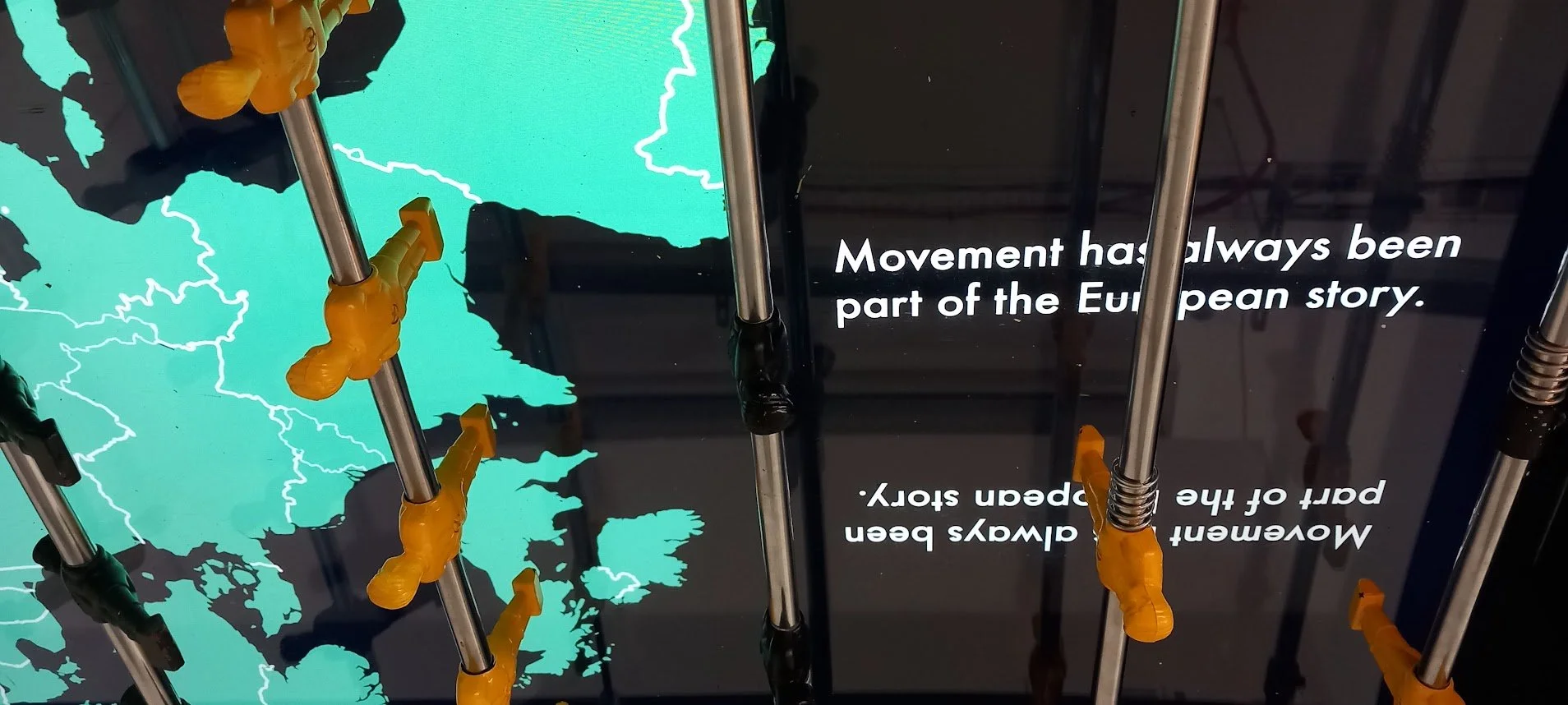
53. how not to follow maps rigidly
54. but to be surprised by joy
55. how to be astonished
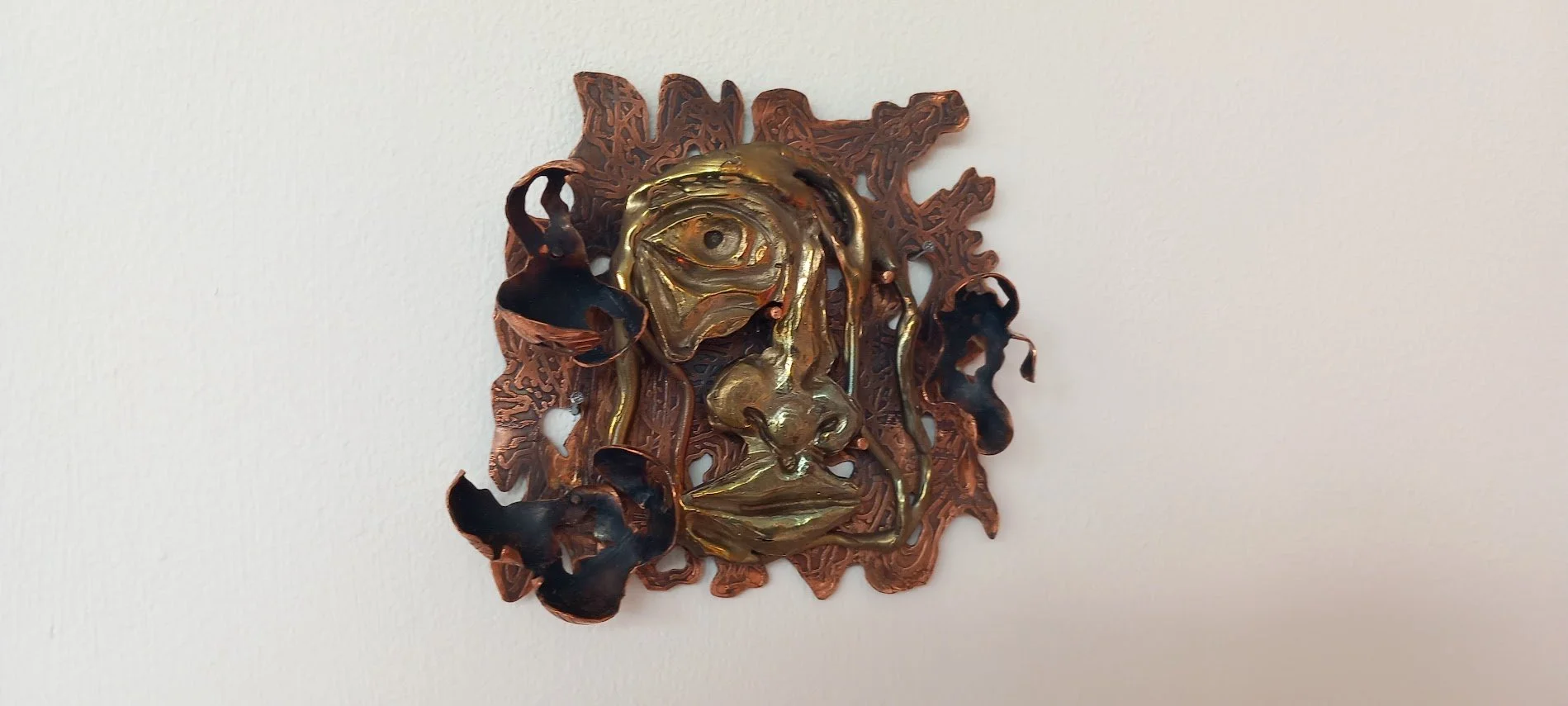
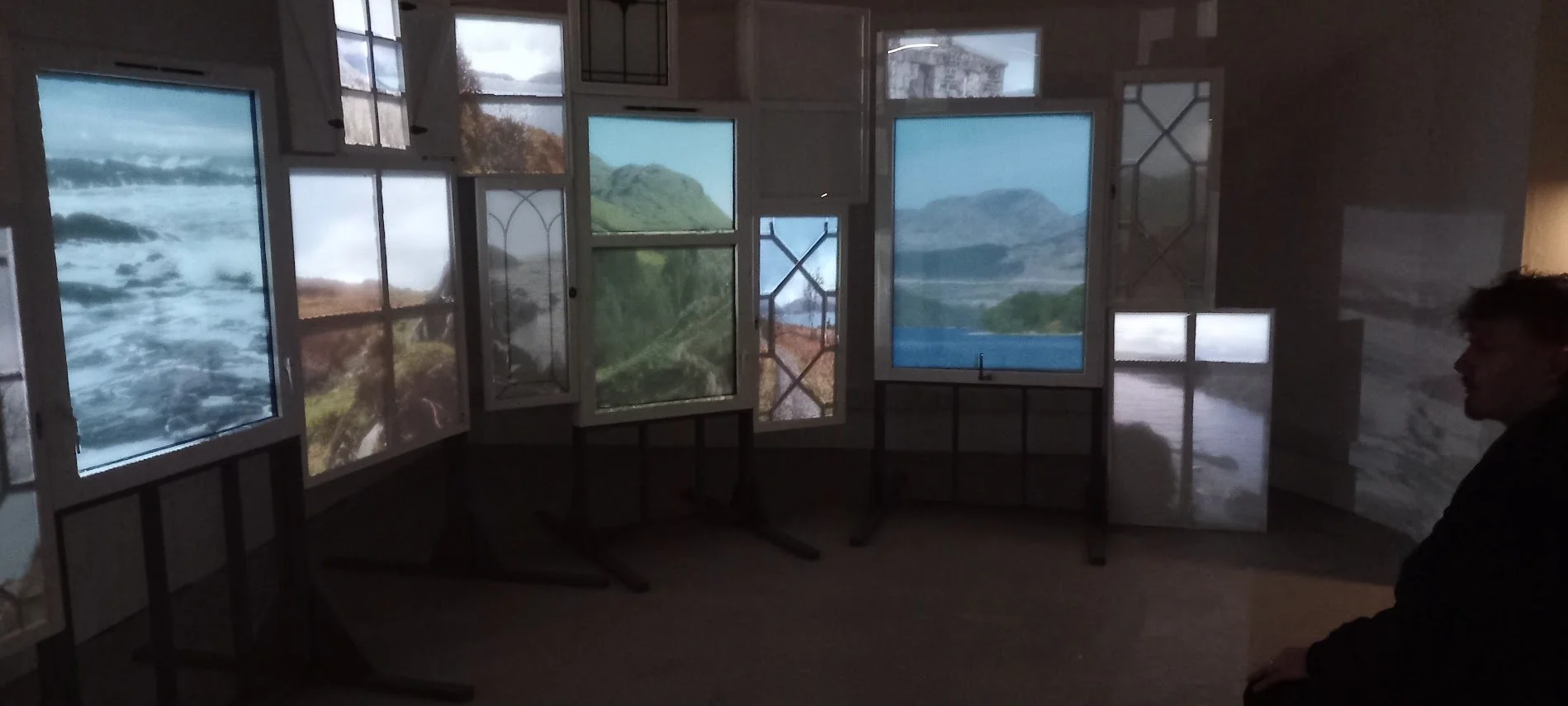
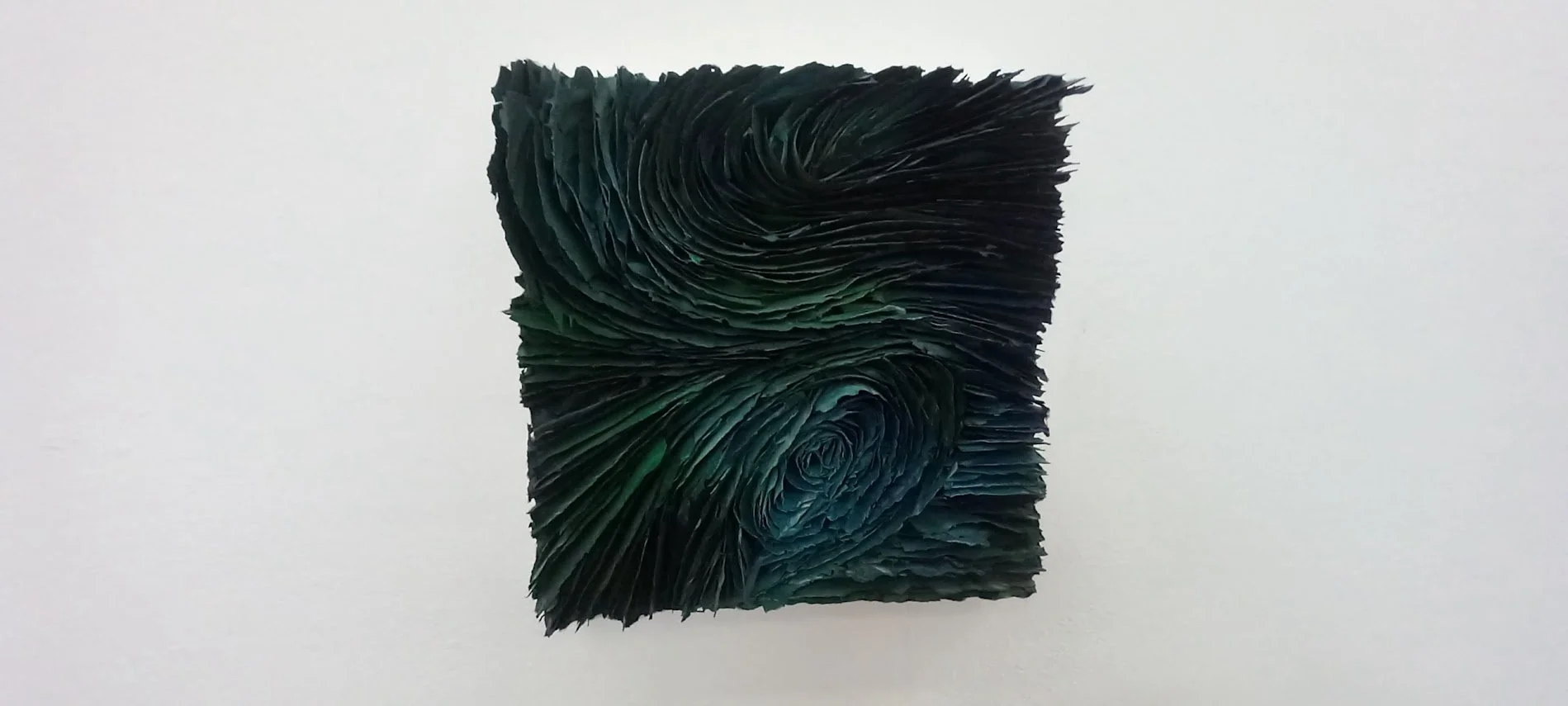
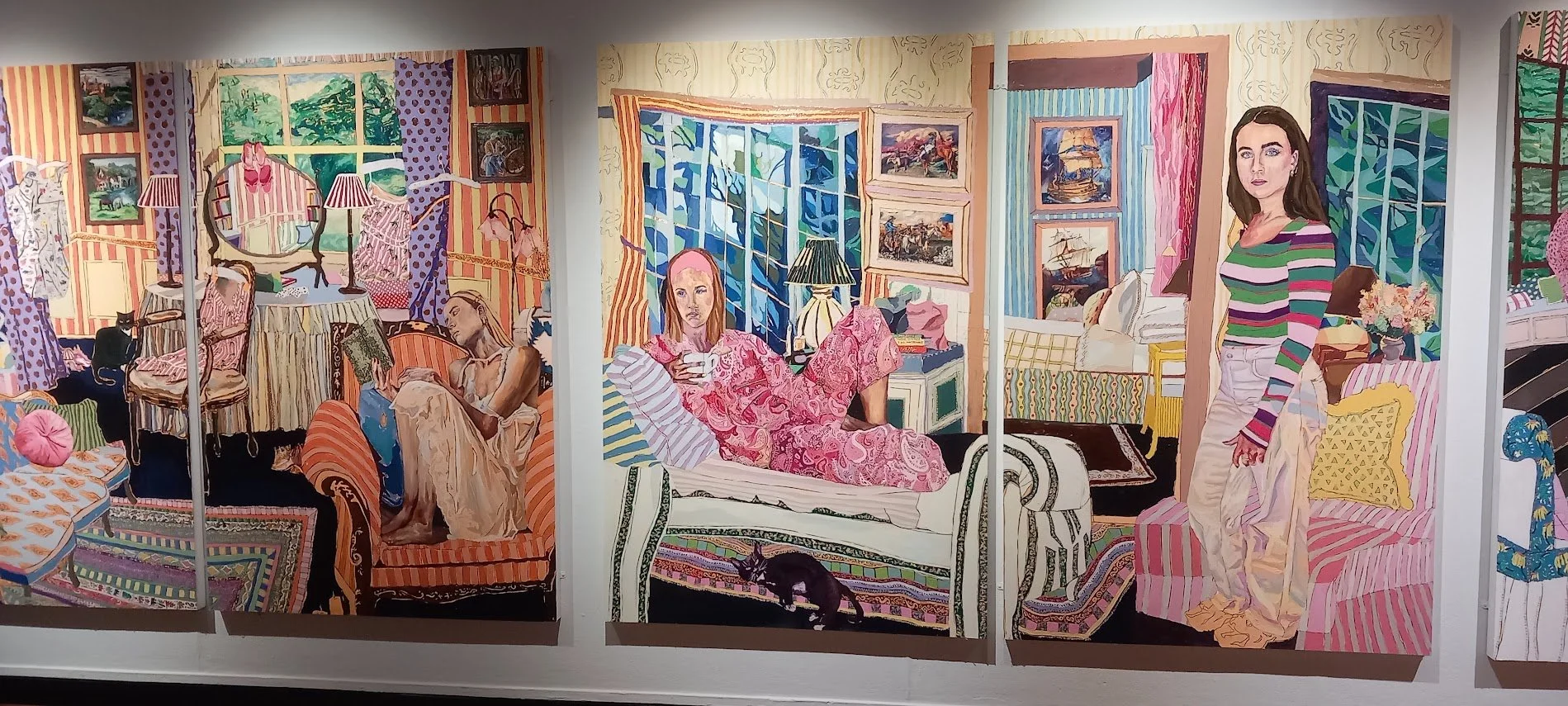
56. how to engage with recurring themes
57. and their diverse manifestations
58. how to know that size is not all
59. and not to gloss over the small -- they might be beautifully formed.
60. how to engage with symbolism
61. how to ‘hold raw emotions’ figuratively
62. how to engage with the political
63. to engage with history
64. and memory
65. and being alive today
66. how to support this young, exciting generation of designers and artists
67. (for they are the future)
68. how to see ‘each drifting seed’ as seeded possibilities
69. how to admire distinctiveness
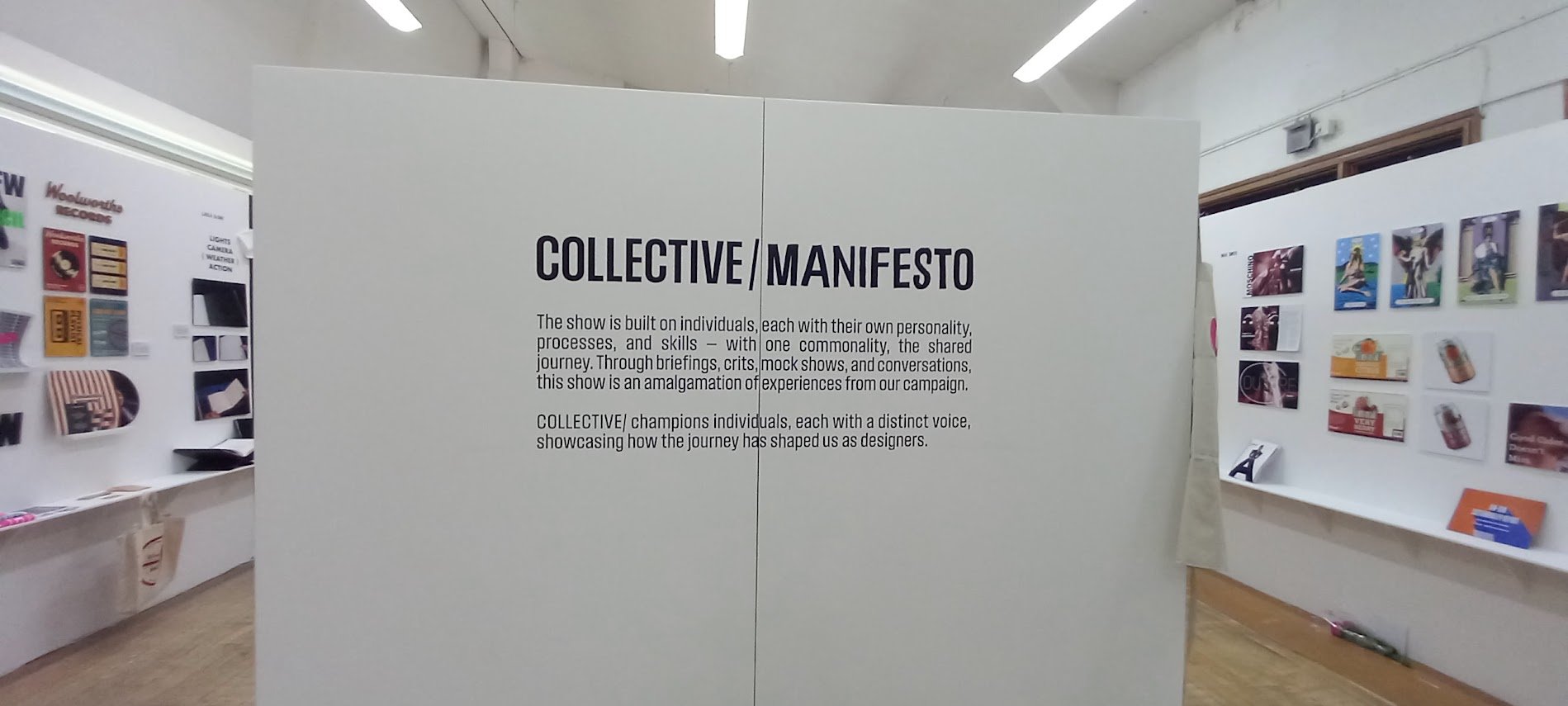
70. but also honour collectivity, ‘shared journeys’ and dreams
71. how to hold to lived experience
72. even when pondering dense and complex ideas
73. even when pondering the philosophy of being
74. how to puzzle over identity
75. how to wonder about the effect of writing in third person
76. or the affect of first person
77. how to think about what is taboo, and what isn’t
78. how to touch without touching
79. how to embrace organic forms
80. as well as hard edges
81. how to enjoy words as much as objects
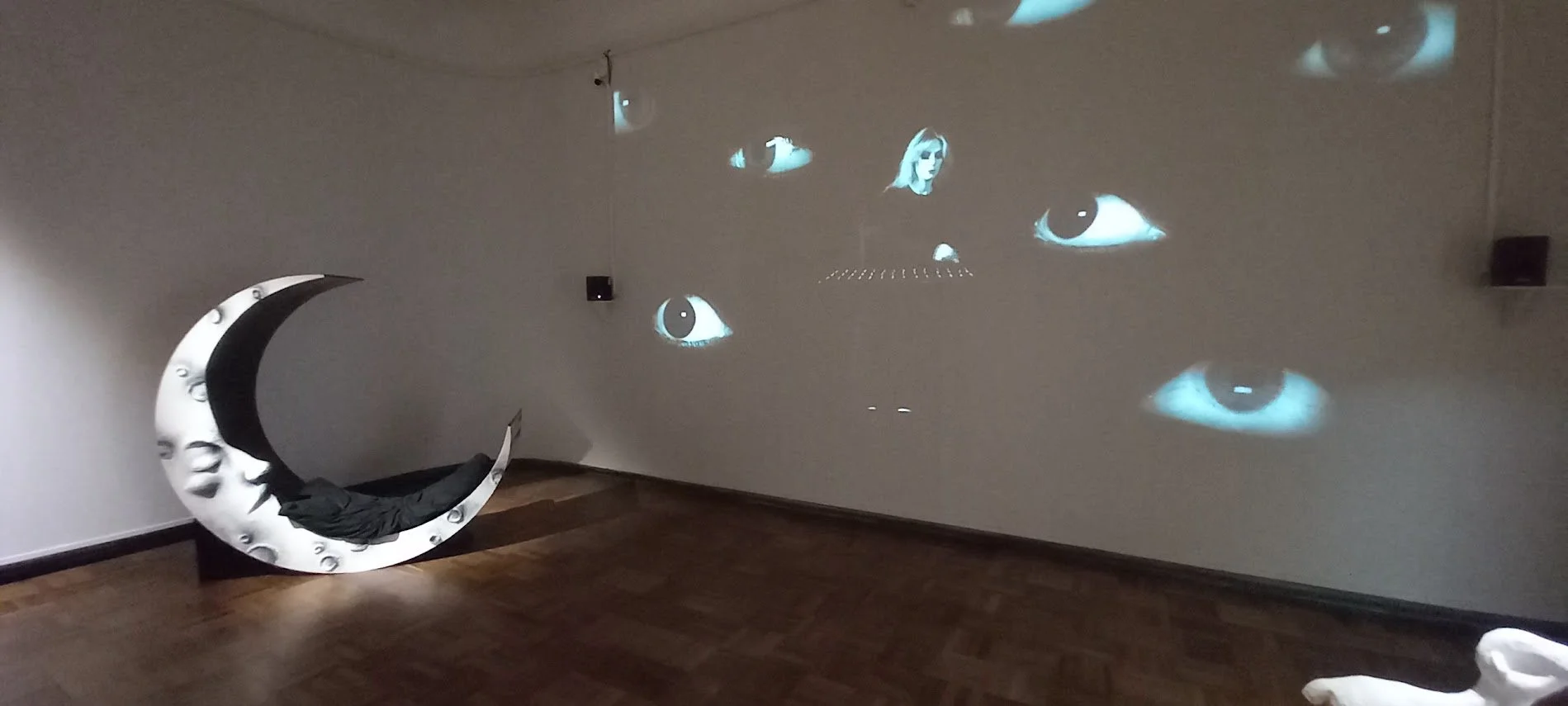
82. how engage with the digital and the ‘analogue’
83. how to be entranced by otherworldliness

84. how to place one foot in front of another
85. and enjoy the journey
86. how to read between spaces
87. or marvel at how sunlight spills into a room
88. to enjoy a coffee outside before going back in
89. how to enjoy play
90. reflection, experimentation
91. how to enjoy animation (click HERE for a showreel)
92. how to find the right parts
93. and the pleasure of the furry rodent’s stretch
94. how to fall in love with photography
95. with what lies beyond surfaces…
96. the ineffable
97. the in-between spaces
98. the dreamtime
99. how to fall in love with thoughtfulness
100. and just fall in love with life again…